How Far Can You Build for Free? Testing the Limits of AI Product Development
How Far Can You Build for Free? Testing the Limits of AI Product Development
How Far Can You Build for Free? Testing the Limits of AI Product Development
Brzy Digital
5 min read
Testing the Limits of Free AI Product Development in Lovable
I decided to expand on the property prototype I originally started in Lovable (Built without spending a penny).
I wasn’t trying to build a perfect product. I wanted to test something much simpler — how much further could I realistically get for free, and what would that actually look like in practice?
Because this is how products come to life. Not by overthinking them, but by starting, testing, and seeing what’s possible.
The experiment
I wanted to understand:
How many features I could squeeze in without paying
Whether those features would feel usable or just “demo-level”
And how close I could get to something that resembles a real product
I deliberately worked within the free limits, waiting for credits to refresh where needed. If you’re exploring ideas rather than rushing to launch, that trade-off really isn’t a problem.
What I managed to build
Without spending anything, I was able to add:
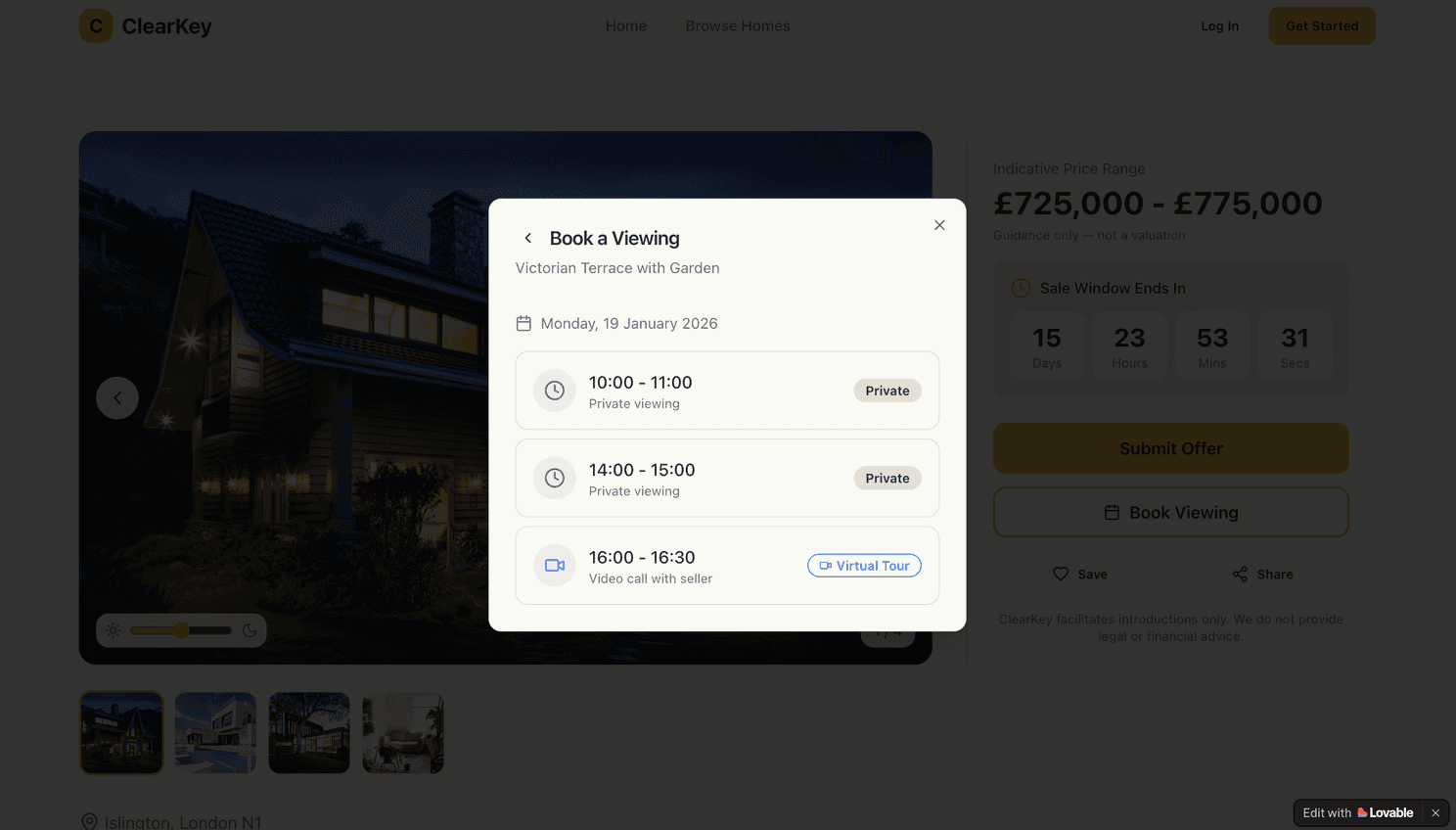
Virtual viewings
A booking system
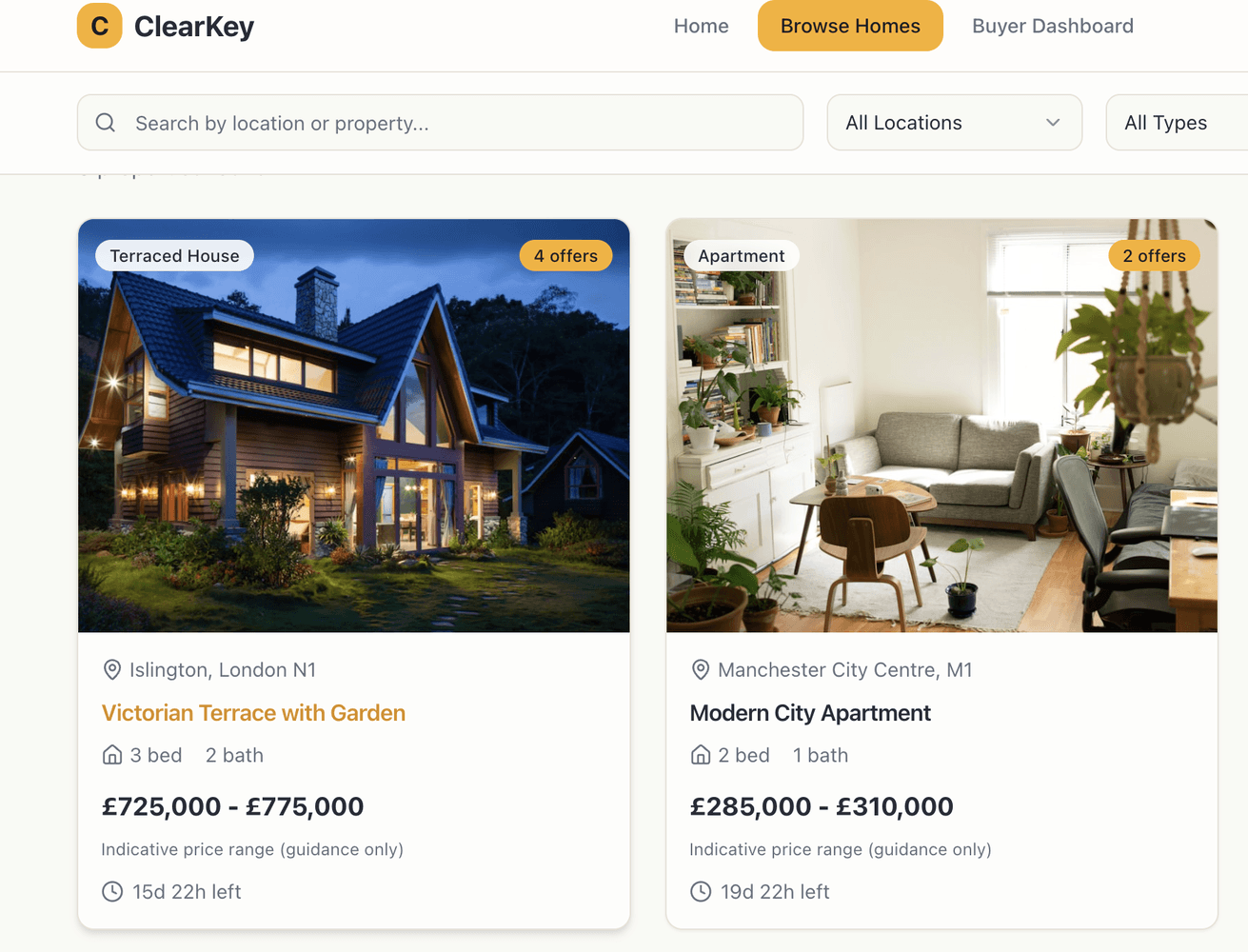
Property listings
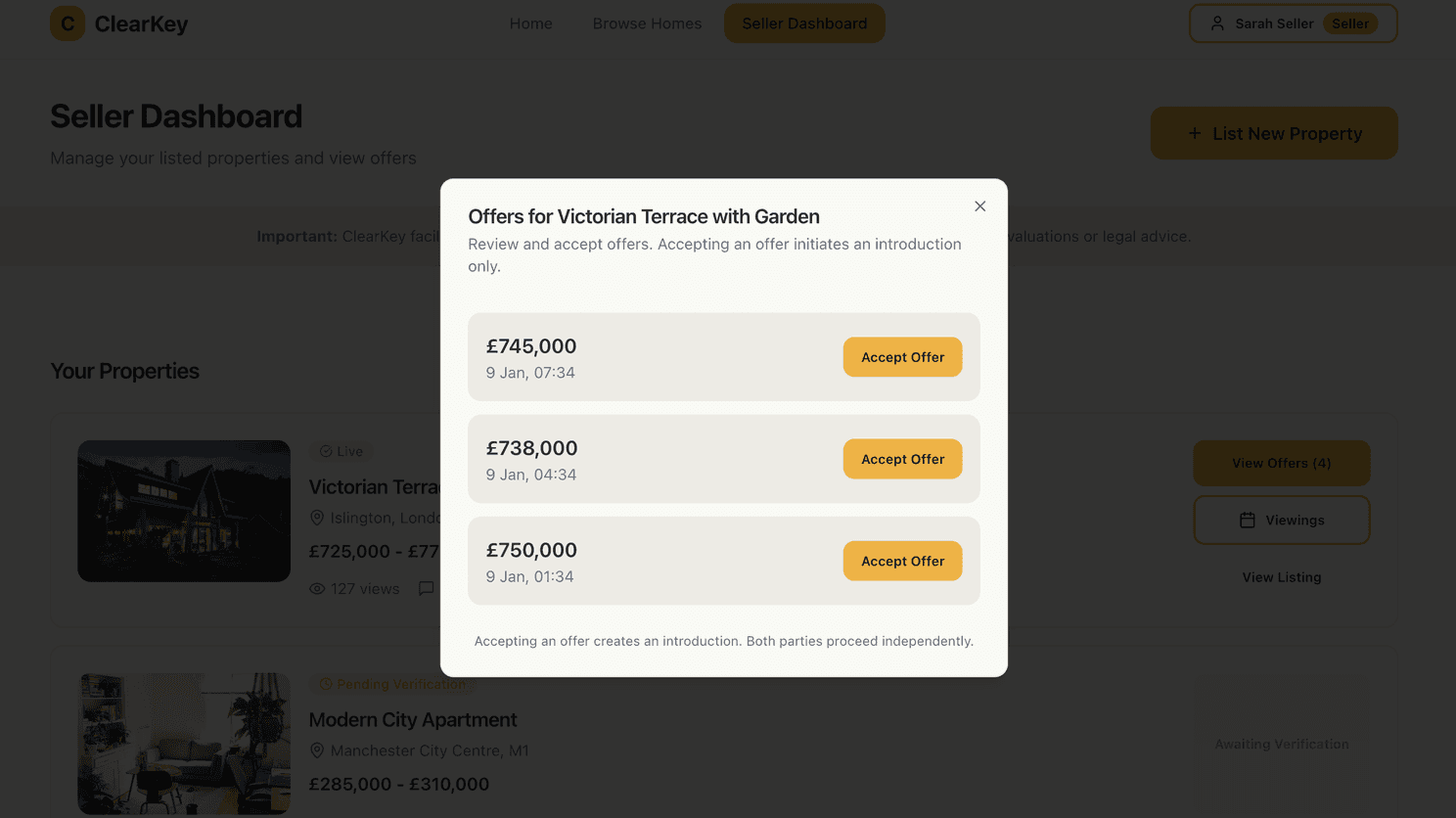
A seller dashboard
A buyer dashboard
Filters
Seeing all of these working together was the moment it really started to feel like a product, not just a concept.
Where it fell short (and that’s okay)
What I couldn’t fully get going was the visual editing. Some of the changes I made simply didn’t reflect in the final product, which meant diving into the code to understand what was happening.
That’s not a deal-breaker — it just means I’d need to go a layer deeper if I were taking this further.
Why this matters
The best part of this whole experiment? I didn’t have to spend a penny.
Yes, credits refresh. Yes, you have to wait. But if you’re testing whether an idea has legs, that’s a small price to pay.
At this point, the prototype is genuinely close to becoming a real product. I’d need to add backend functionality, authorisation, and security — but considering what’s already there, that feels very doable.
The little things I appreciated
I love the small interactions — hovering over a card, text changing colour, subtle movement. Those details give a product life and make it feel interactive rather than static.
There are still visual tweaks I’d make, but nothing that stops it from being useful.
A final thought
I see ads for builders like this all the time, and I do actually try them. But when something stays buffering, shows no progress, or asks me to upgrade before I can even see anything, I usually walk away. This didn’t do that.
I’ve shared a walkthrough of the prototype — I go through the seller view, but you can still get a clear sense of how everything would work.
Thinking about building your own product?
Thinking about building your own product?
You don't need to invest thousands to validate an idea. I help founders identify the quickest path from concept to prototype, using AI where it adds value and strategy where it matters most. Take the free Brzy Digital assessment.